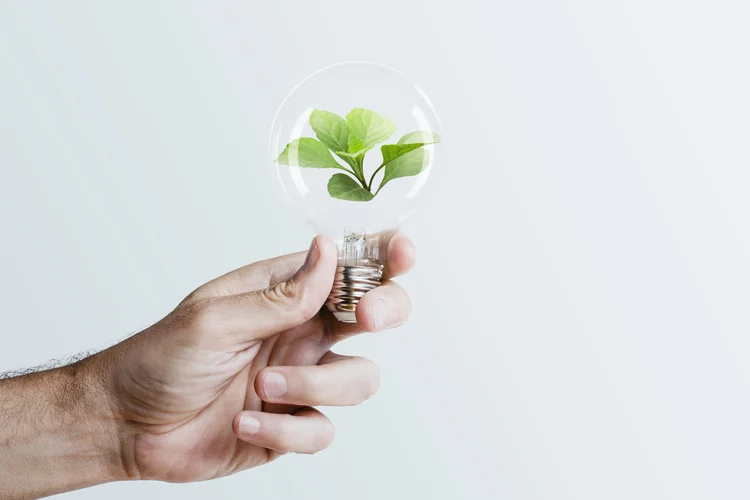
Green energy refers to electricity produced from renewable, non-depleting sources such as the sun, wind, and water. Unlike fossil fuels, these resources do not harm nature and ensure sustainable energy production for future generations.
Both Turkey and Germany have made massive investments in renewables over the past decade, aiming to reduce dependency on fossil fuels and cut carbon emissions.
Germany: Ambitious Targets, Weather Challenges
In the first half of 2025, renewables accounted for 54% of Germany’s electricity generation, down from 57% in 2024. Experts attribute this decline mainly to weaker wind conditions and reduced hydropower output.
Still, Germany is pushing ahead. A record 7.8 GW of new wind power capacity received approval, while solar power generation grew by 23% compared to last year. The Berlin government continues to pursue its ambitious target of generating 80% of electricity from renewables by 2030.
“The most effective way to cut carbon emissions is to invest in renewable energy sources,” say energy experts.
Turkey: Surpassing Solar Targets Ahead of Time
Turkey has experienced a remarkable surge in solar and wind power. By the end of 2024, the country’s solar energy capacity reached 19.6 GW, surpassing its 2025 target one and a half years earlier. By March 2025, capacity rose further to 21.6 GW.
Have you read these?
 Major Economic Summit to Convene in Düsseldorf
 Germany Becomes Turkey’s Leading Foreign Investor
Wind power is also growing steadily, with capacity exceeding 13 GW. Combined, solar and wind now account for 30% of Turkey’s installed capacity—a historic milestone.
This rapid growth is also reflected in the economy: Turkey’s natural gas imports fell by $15 billion, as renewable energy output replaced fossil fuels. In 2024, solar electricity production increased by 39% year-on-year, with wind and solar surpassing domestic coal for the first time.
Key Figures at a Glance (2025)
| Criteria | Germany | Turkey |
|---|---|---|
| Share of renewables | 54% (H1 2025) | 30% (solar + wind) |
| Solar capacity | +23% output growth | 21.6 GW |
| Wind capacity | +7.8 GW approved | 13 GW |
| 2030 target | 80% renewables | Capacity expansion |
Two Countries, Different Strengths
While Germany leads with infrastructure, long-term planning, and technology, Turkey is making headlines with rapid growth in solar and wind.
Germany’s reliance on weather conditions can cause short-term declines, but its systematic strategy ensures steady progress toward the 2030 target. Turkey, meanwhile, is reaping immediate benefits by reducing energy imports and increasing domestic renewable output.
Both nations are heading toward the same goal—a sustainable and independent energy future—but with very different approaches.
“The key to energy independence lies in nature’s self-renewing sources.”
Source: TÜİK, Umwelt Bundesamt, Clean Energy Wire, Energy Policy Review, Ember