For investors and businesses looking toward the 2026-2030 horizon, these four sectors represent the most significant growth opportunities for cross-border partnerships.
1. Green Energy and the Hydrogen Economy
Germany’s ambitious 2030 climate targets are repositioning Turkey as a critical “Green Energy Hub.” Beyond the established solar and wind sectors, the next five years will be dominated by Green Hydrogen production and logistics.
- Market Context: Germany set a record in H1 2025 by installing 7.1 GW of solar capacity. Simultaneously, Turkey has climbed into Europe’s top 4 for wind power expansion.
- The Synergy: Combining German engineering with Turkey’s vast geographical potential for renewables creates a massive playground for “Power-to-X” projects and green energy exports.
2. Sustainable Automotive & Battery Tech
The role of Turkish suppliers is evolving from “parts manufacturing” to “software and battery-centric” development. The momentum initiated by Turkey’s domestic EV brand, Togg, is now compelling German automotive giants to transition their Turkish supply chains toward full electrification.
- The CBAM Factor: The EU’s Carbon Border Adjustment Mechanism (CBAM) will effectively sideline suppliers who fail to adopt green manufacturing. Companies that pivot to carbon-neutral production now will secure a dominant market share by 2026.
3. AI-Driven Logistics and SaaS Exports
The intersection of Germany’s labor shortage and Turkey’s burgeoning tech ecosystem is creating a new era of “Service Exports.” Turkish SaaS (Software as a Service) startups, particularly those optimizing e-commerce logistics, are seeing unprecedented growth in the German market.
Have you read these?
 Turkey’s Credit Rating Upgraded After 8 Years
 How Much Will the Turkish and German Economies Grow in 2026?
- Success Stories: In 2025, Turkish tech ventures like Poltio, Togdar, and Kogdem received industry awards in Germany. These companies serve as a blueprint for the next generation of Turkish “unicorns” entering the EU via the German gateway.
4. Agri-Tech and Food Security
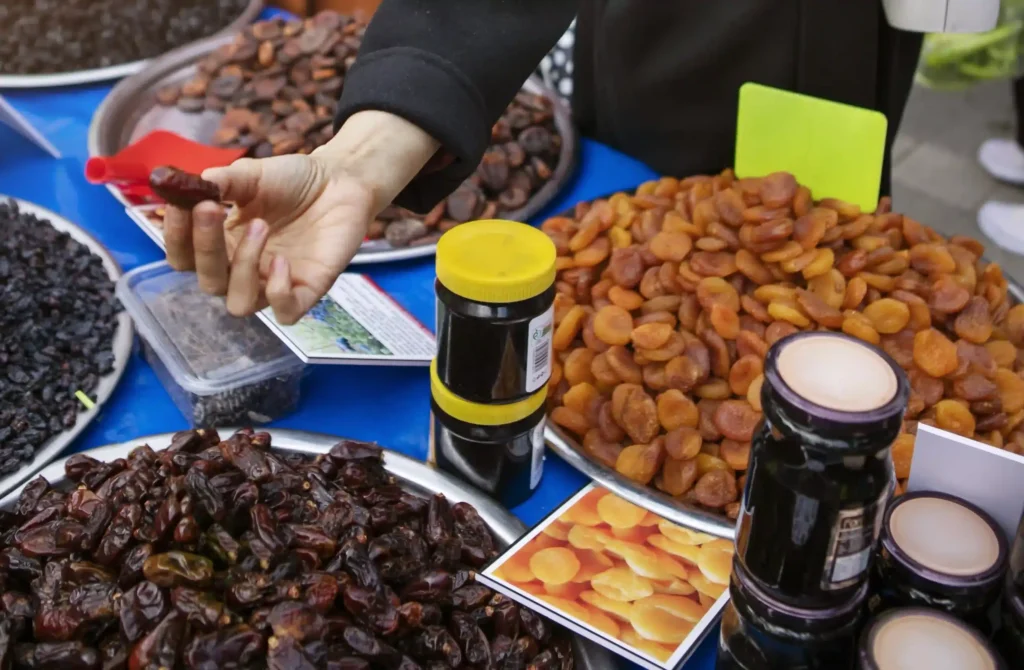
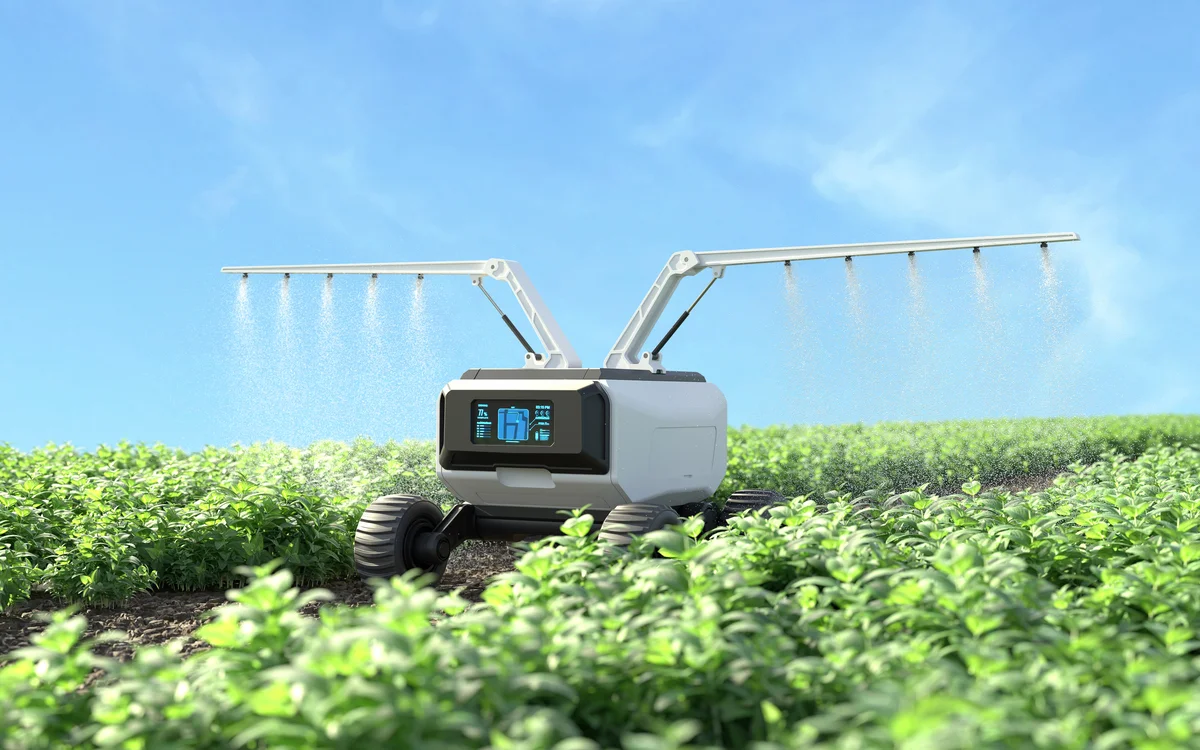
As the climate crisis threatens global supply chains, the Turkey-Germany food trade is moving toward “Smart Farming.” The focus is shifting from raw exports to high-tech agricultural solutions.
- Innovation: Vertical farming and drought-resistant irrigation technologies are becoming the new frontier for joint ventures, ensuring food security for the German market while leveraging Turkish agricultural expertise.
Key Takeaway: The End of the “Cheap Labor” Era
For Turkish firms eyeing the German market, the competitive advantage is no longer “cheap labor”—it is a low carbon footprint. Moving forward, sustainability credentials and digital integration will be the primary prerequisites for doing business with Europe’s largest economy.